Traction, Market & Outlook
Five years of execution. The numbers behind Grinta's mission to transform primary healthcare across Africa.
Read the record
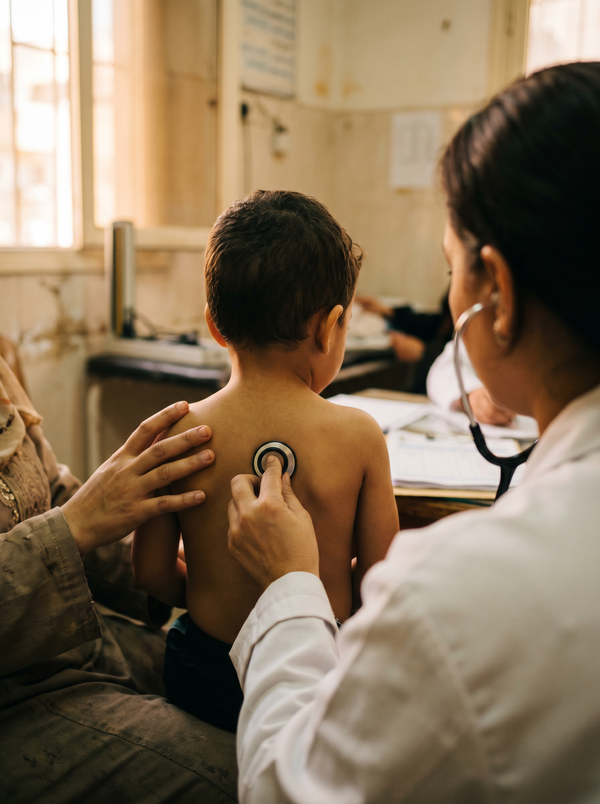
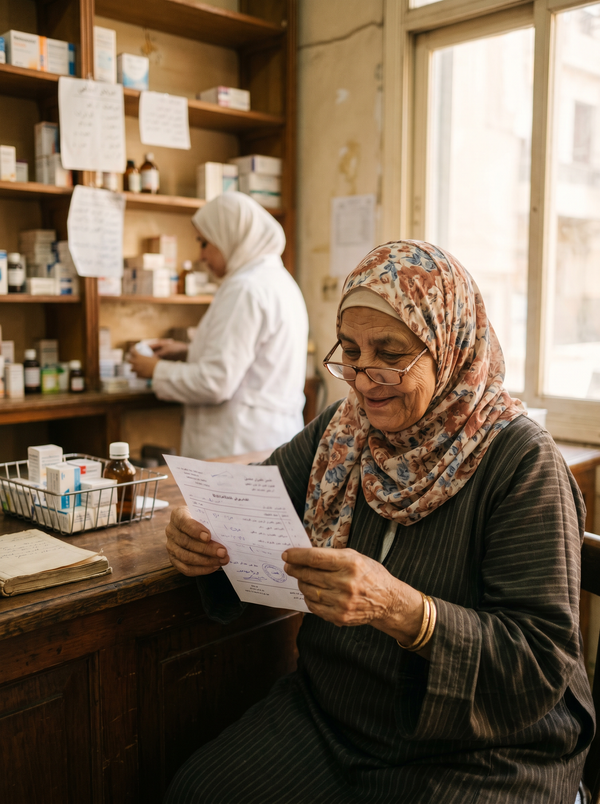

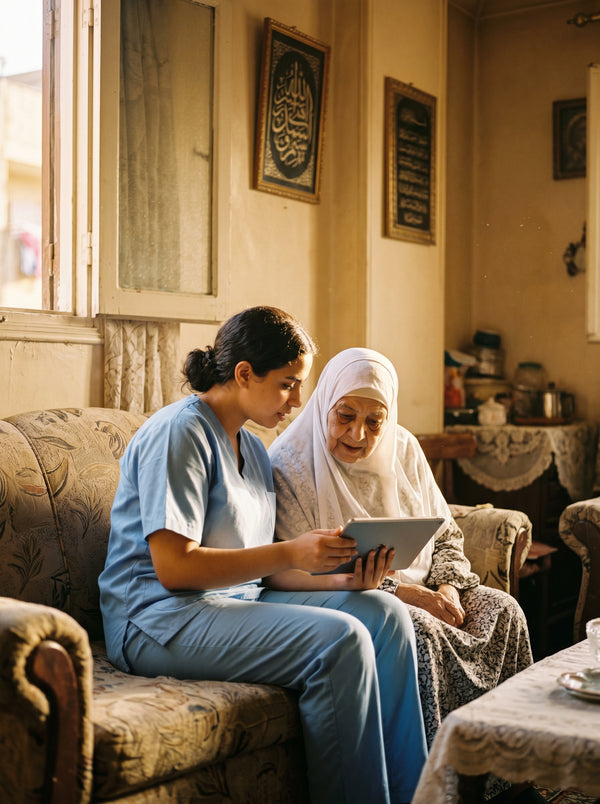

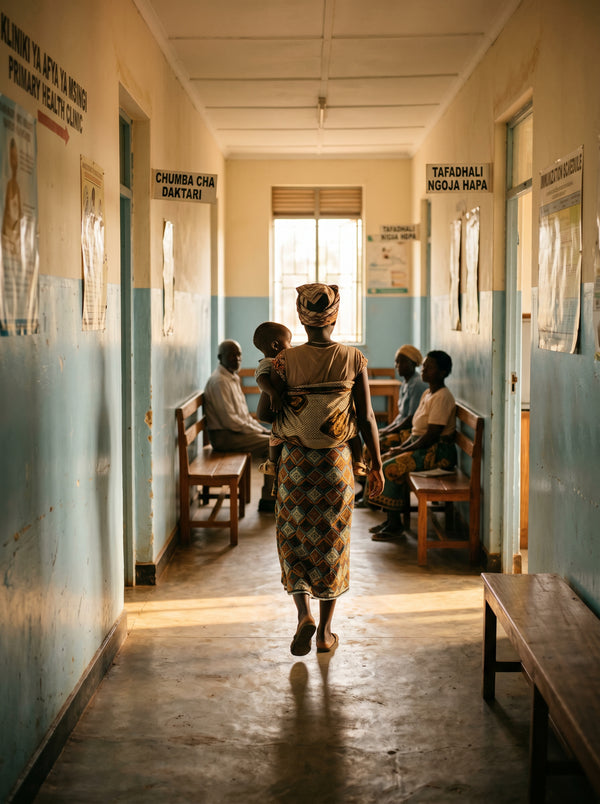
The scale of what we've built.
Every figure below is active, delivered care, not projection.
-
/ 01600,000+Patients Served
Continuous, integrated care delivered since 2021.
Africa Verified monthly -
/ 0223Health Centers
18 primary care centers in Egypt and 5 in Tanzania, one integrated network.
Egypt & Tanzania Verified monthly -
/ 03300+Specialists
Delivering multidisciplinary care across the network.
Africa Verified monthly -
/ 0480+Insurance Partners
Extended medication access, low patient cost.
Egypt Verified monthly
What we serve, and why.
Primary care in Africa is fragmented. We built the integrated alternative.
Low-income households, chronic patients, women, and underserved communities across peri-urban and rural areas.
Fragmented care, high out-of-pocket costs, and limited follow-up leave millions under-served.
Integrated, affordable primary care with continuous follow-up across clinics, pharmacies, and diagnostics.
Better outcomes, lower system costs, and stronger primary healthcare — for everyone.
Primary Care in Africa: Fragmented and Inequitable
The structural, economic, and clinical gaps that leave millions without continuous care, and that Grinta exists to close.
Structural barriers.
Physical access to care is broken where it is needed most.
- Long travel distances, especially in rural and peri-urban areas.
- Shortage of qualified providers and limited facility capacity.
- Infrastructure concentrated in high-income urban pockets.
Economic burden.
Patients carry the cost of a system that was never designed for them.
- Forty to sixty percent of healthcare costs paid out-of-pocket.
- Fragmented medication access drives cost upward.
- Chronic conditions compound financial strain across years.
Clinical discontinuity.
What begins as a diagnosis rarely ends as a coordinated treatment.
- Limited follow-up for chronic patients across visits.
- Inconsistent access to diagnostics and coordinated care.
- Patient history fragmented across siloed providers.
Source — Source: WHO / World Bank
Aligned With SDGs & National Health Priorities
Sustainable Development Goals
Good Health & Well-being
Advancing Universal Health Coverage (3.8) and equitable access to essential medicines and diagnostics.
Decent Work & Economic Growth
Creating clinical, operational, and community health jobs across the care network.
Industry, Innovation & Infrastructure
Building resilient digital health systems and modernized supply chains for primary care.
National Health Priorities
MOH digitization
Supporting government efforts to modernize health information systems and patient records.
Primary care strengthening
Building resilient primary healthcare foundations across communities, integrated with national systems.
NCD management
Expanding prevention, screening, and continuous management of non-communicable diseases at scale.